
A literary festival does not always end when the last panel closes.
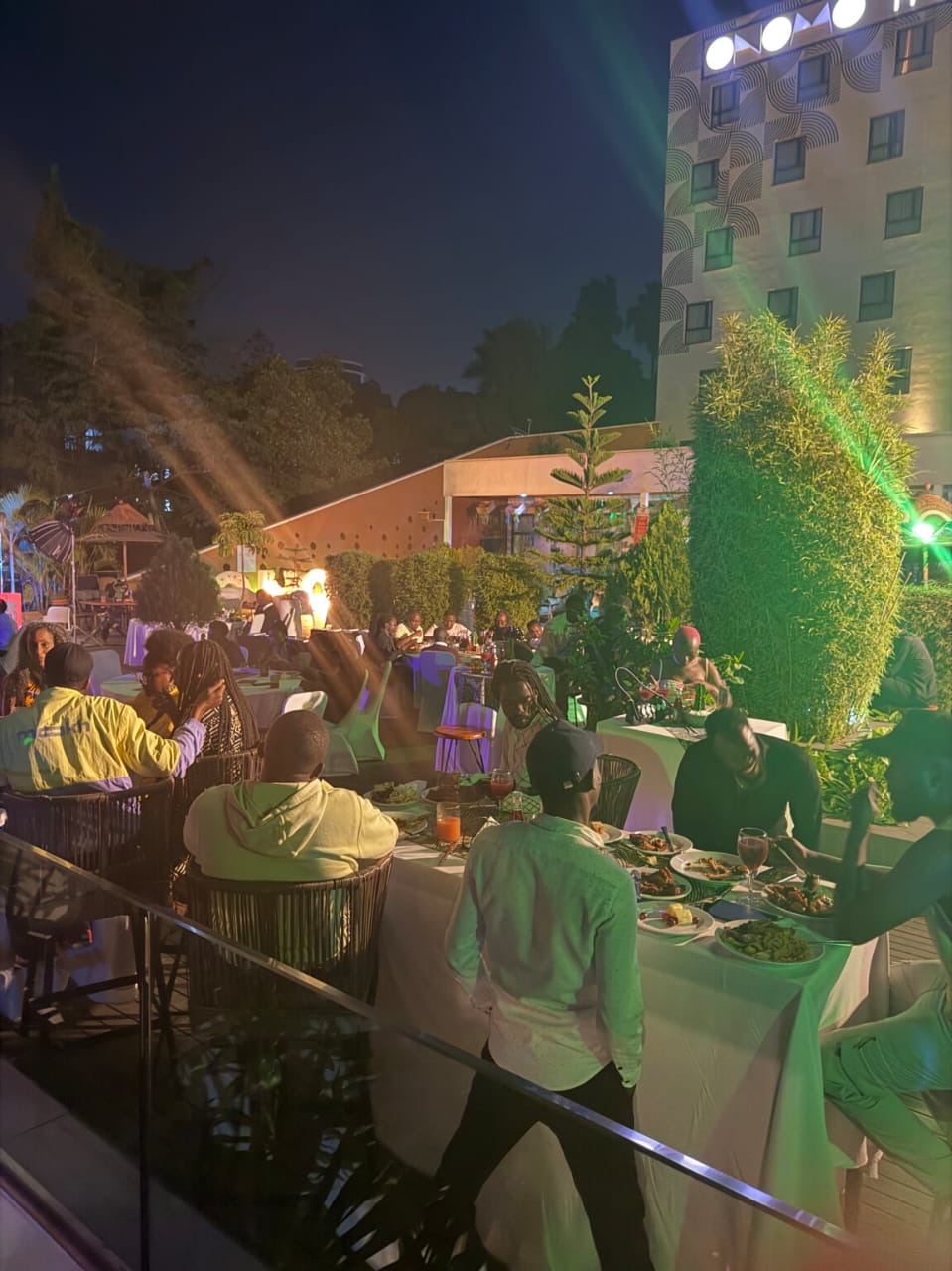
For Kampala Writes LitFest 2026, some of the most important conversations continued offstage, as writers, publishers and cultural leaders gathered at the Onomo Hotel in Nakasero for an evening hosted by the Nairobi-based publisher eKitabu.
The private cocktail reception took place on Saturday, August 29, as the third edition of Kampala Writes continued at the Uganda National Cultural Centre. While festival audiences moved between book launches, workshops and conversations at the National Theatre, the eKitabu gathering created a smaller space where industry professionals could speak more directly about the realities behind African literature.
The evening brought attention to a question that often sits quietly behind every published book: what happens after the story is written?
For African writers, reaching readers can involve far more than producing a good manuscript. Distribution networks, publishing models, digital platforms, rights management and access to sustainable markets all influence whether a story can travel beyond its country of origin.
Those realities shaped many of the conversations at the Nakasero gathering.
The timing also gave the reception a natural connection to Kampala Writes LitFest. Founded in 2024 by the Goethe-Zentrum Kampala and Uganda German Cultural Society, the festival has grown quickly into an important meeting point for writers and readers in Uganda.
Curated by acclaimed author Goretti Kyomuhendo, the 2026 edition carried the theme “Where Stories Begin: The Imaginary and the Art of Possibility.” From August 28 to 30, the festival brought together more than 50 speakers from across the continent for conversations that moved between creative practice and the wider literary ecosystem.
Award-winning Nigerian novelist Chika Unigwe served as the keynote guest, while discussions explored speculative fiction, political imagination, emerging publishing formats and the relationship between literature and other creative disciplines.
Yet the eKitabu reception added another layer to those conversations by placing publishing itself under the spotlight.
Founded in Nairobi in 2012 by Will Clurman, eKitabu built its early infrastructure around digital educational publishing and accessible formats. Over time, however, the company has expanded its work through Mvua Press and Maua Books, moving further into fiction, poetry and narrative non-fiction.
That expansion reflects a wider shift in African publishing, where digital tools and regional networks increasingly offer writers new ways to reach audiences.
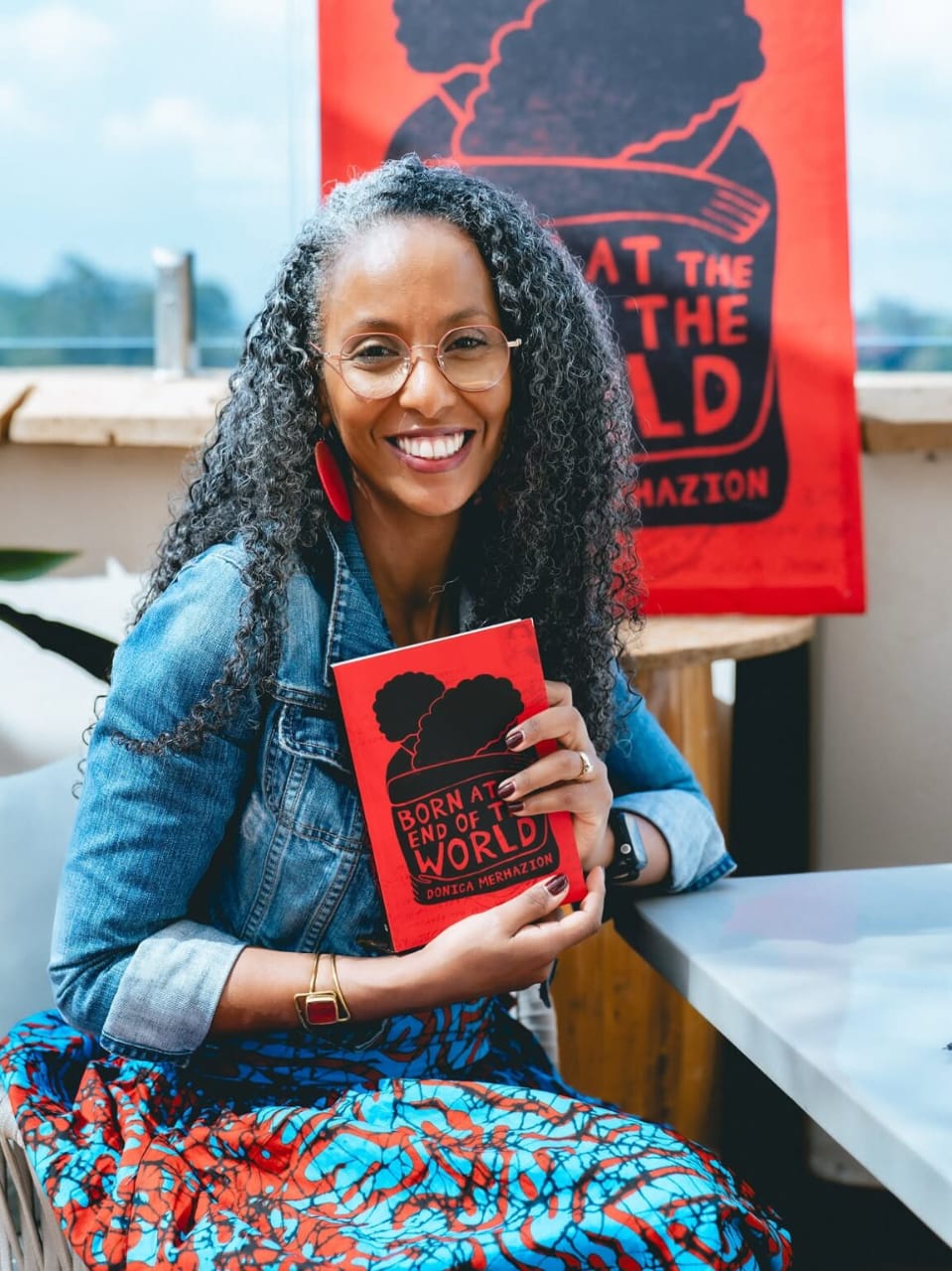
Several authors at the reception brought their own experiences into the discussion. Donica Merhazion, whose debut novel Born at the End of the World was co-published by Mvua Press and Catalyst Press in February 2026, represents a growing generation of African writers whose stories cross national and cultural boundaries.
Then there was Tramaine Suubi, the Kampala-born poet and Iowa Writers’ Workshop alumna whose collections' phases and stages have reached international publishing channels through Amistad and HarperCollins. Her work also demonstrates how African languages and linguistic structures can remain central even when books enter global markets.
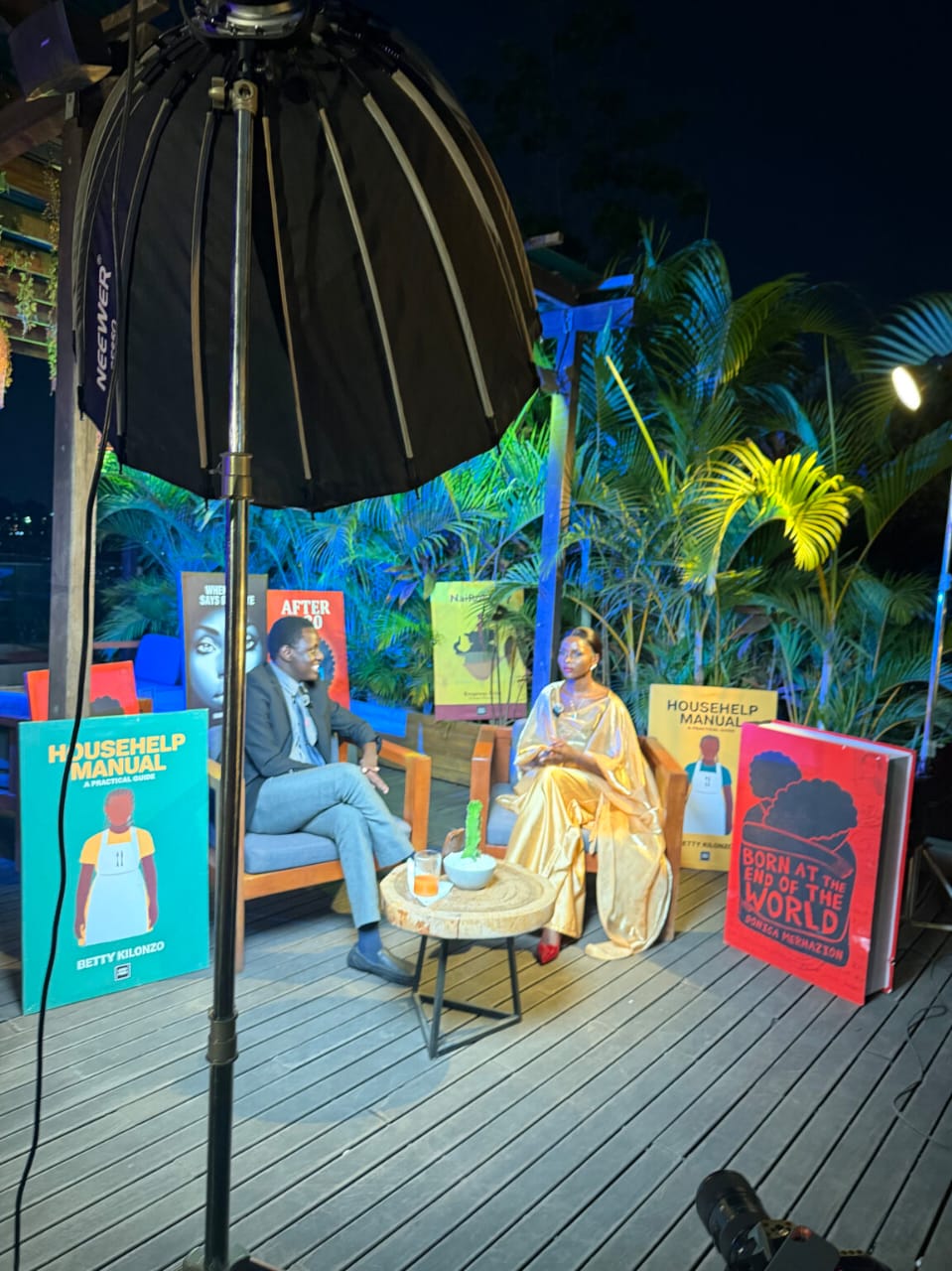
Betty Kilonzo, meanwhile, brought the perspective of both an author and publishing professional. Through her writing, the Blackstartales platform and her work as a consulting editor at eKitabu, she has experienced the challenges of moving from self-publishing towards formal trade distribution in East Africa.
These experiences point to a larger reality. African writers may have more opportunities to publish than ever before, but sustainable access to readers remains a challenge.
Cross-border distribution continues to face obstacles, including customs tariffs within the East African Community, limited distribution channels and inconsistent retail networks. At the same time, trade fiction and poetry compete within markets where educational publishing continues to dominate.
Consequently, the future of African publishing may depend on models that combine different approaches rather than relying on traditional book sales alone.
eKitabu's strategy reflects that thinking. Its ecosystem brings together digital publishing, rights licensing, physical distribution and audio production through Studio KSL, creating multiple routes through which stories can reach audiences.
For writers, those pathways matter because a literary career requires more than recognition. Writers also need access to readers, professional networks and systems that can support their work over time.
That is why gatherings such as the eKitabu reception matter to the wider literary community. They create room for conversations that do not always fit neatly into a festival panel, allowing publishers, writers and cultural leaders to speak about the practical realities shaping their industry.

For Sheila Akwany, Director of Goethe-Zentrum Kampala and the Uganda German Cultural Society, building lasting infrastructure for writers remains an important part of the festival's mission.
The same spirit ran through the wider Kampala Writes programme. From Chika Unigwe's reflections on sustaining a writing life across continents to discussions around audiobooks, speculative fiction and cross-disciplinary creativity, the festival repeatedly returned to the question of how African stories can find room to grow.
By the end of the weekend, Kampala Writes LitFest had therefore offered two connected experiences. The public festival gave audiences a chance to encounter stories, ideas and writers. The quieter conversations around it gave industry professionals space to consider how those stories can survive, circulate and reach more people.
Ultimately, that may be where the real possibilities begin.
A story needs an imagination to create it, but it also needs a publishing ecosystem to carry it. As Kampala Writes continues to build its place within Uganda's literary landscape, conversations like those hosted by eKitabu show that the future of African literature will be shaped not only by the stories writers tell, but also by the systems created to help those stories travel.