
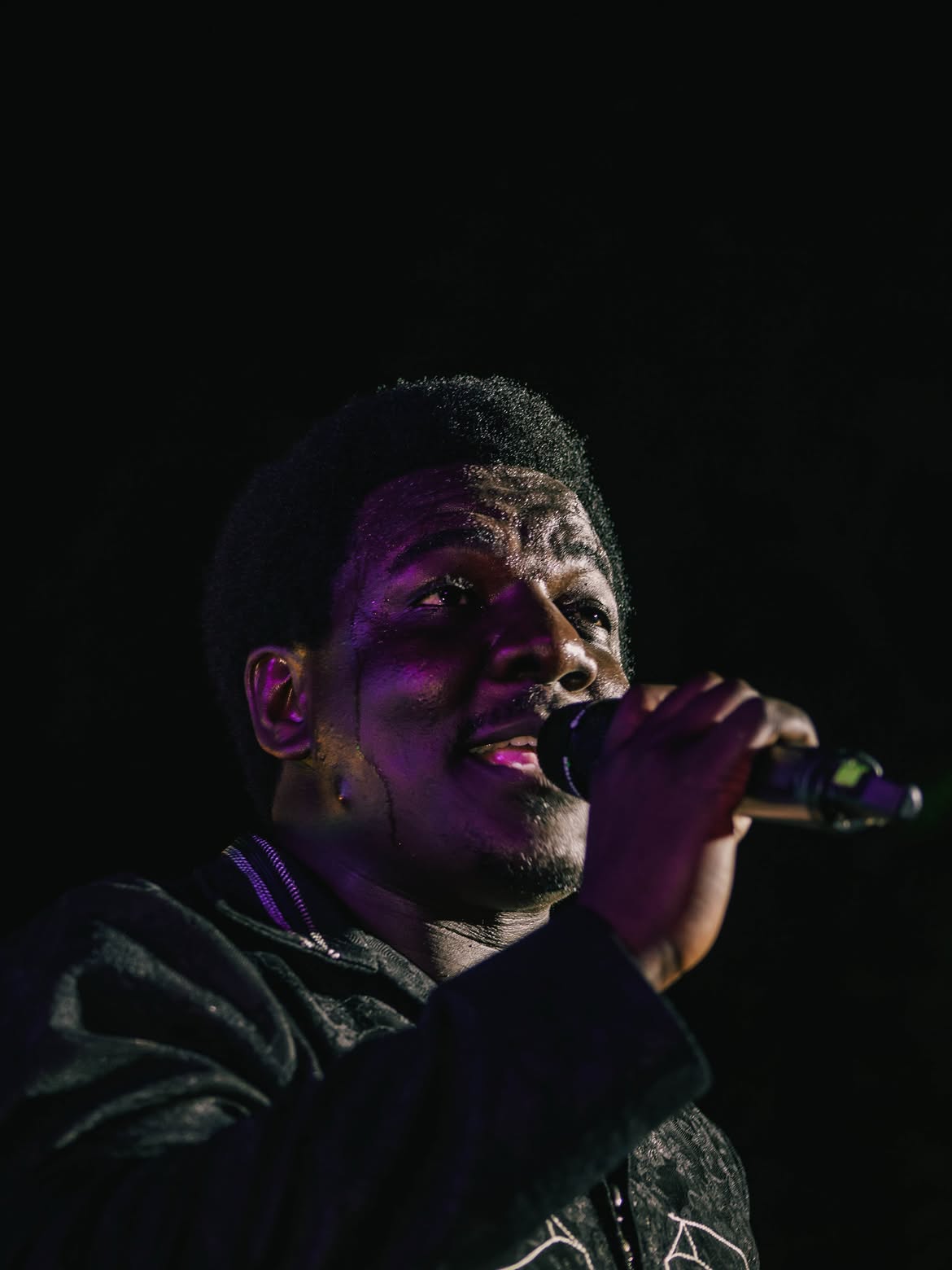
There are musicians who make songs, and then there are musicians who build worlds around them.
Kenneth Mugabi belongs to the second category. With a guitar in his hands, an endingidi close by and a voice that seems to carry both warmth and melancholy, Mugabi has spent the past decade carving out a musical identity that refuses to fit neatly into the usual categories of Ugandan pop.
He calls it Afro-soul a meeting point between soulful melodies, African rhythms, traditional instruments, storytelling and the experiences that shape everyday life.
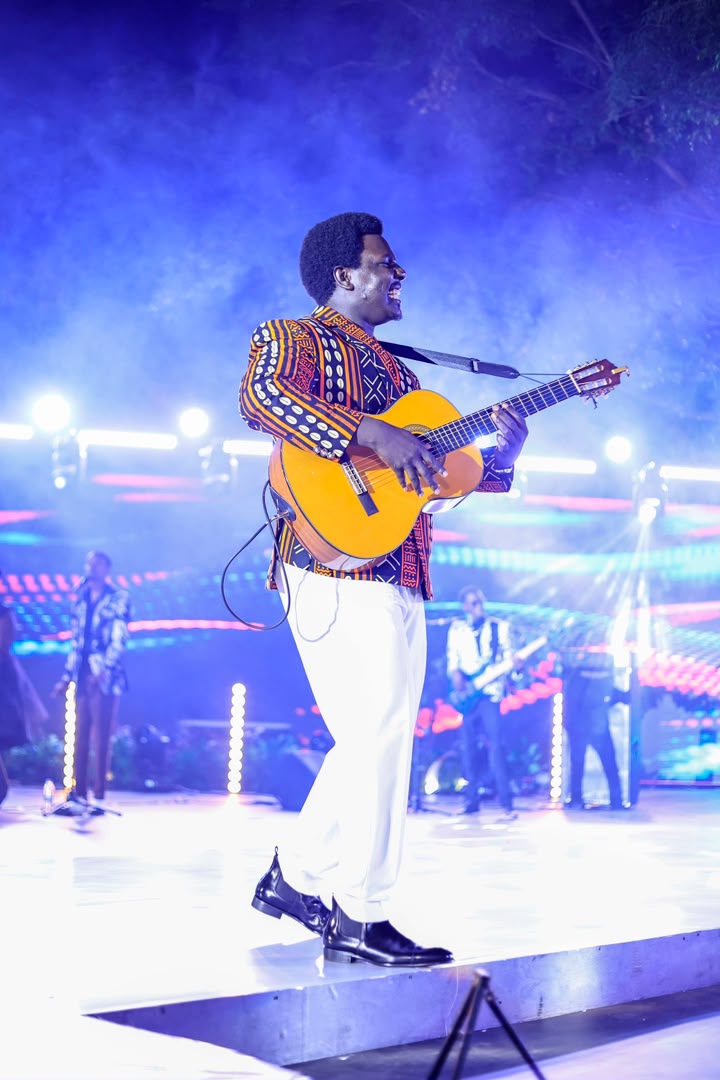
But perhaps the most interesting thing about Mugabi's music is what sits underneath the melody.
His songs are rarely just songs, they are stories about love, culture, identity, relationships, society and the world around him. Sometimes the message is obvious. At other times, it hides behind a metaphor, a riddle, a melody or a chorus that listeners find themselves singing before they realise what they are actually singing about and that is part of what makes Mugabi stand out.
At a time when musical trends can change almost overnight, Mugabi has built his career around something more enduring, identity.
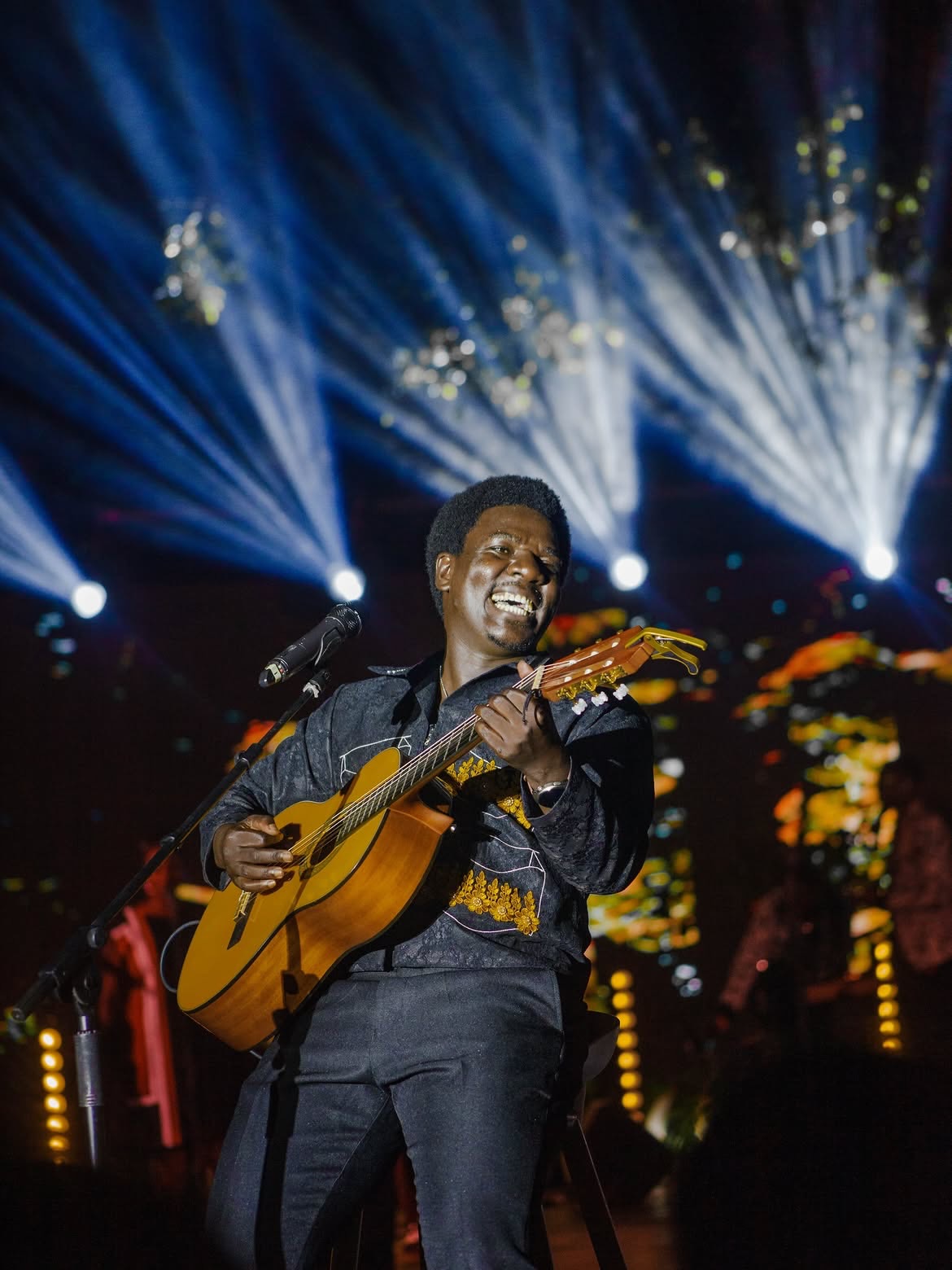
His music draws heavily from Uganda's cultural heritage while remaining accessible to contemporary listeners. Traditional instruments such as the endingidi sit comfortably alongside guitar, piano and modern production, creating a sound that feels both familiar and fresh.
His catalogue, which includes Kibun'omu, Ugandan and People of the Land, reflects that philosophy. His official biography describes his work as an attempt to merge African storytelling and contemporary music while encouraging cultural pride and awareness.
And then there is Naki, the song became one of the records that helped introduce Mugabi to a wider audience, while Kibun'omu became the foundation around which much of his musical journey was built.
But Mugabi's ambition has always stretched beyond making songs people enjoy.
Through People of the Land, for example, he turns environmental conservation into a musical conversation, encouraging listeners to think about what kind of world they are leaving behind for future generations.
Elsewhere, his music touches on education, culture, safe sex, Ubuntu and other questions about how people live and relate to one another.
He does this without sounding like a lecturer and that is the magic.

Ten Years Later, The Music Still Speaks
On September 12, Mugabi returned to the stage at Ndere Cultural Centre for a concert celebrating 10 years of Kibun'omu a milestone that also coincided with his birthday.
It was more than an anniversary show but also a look back at the journey.
From the opening Buganda and Busoga anthems to the tribute to the late Tooro King Oyo, the evening immediately established a strong sense of culture and identity.
Mugabi moved through songs including People of the Land, Mumbejja, Abamuzibe, Aka Number, Kibun'omu, Naki, Sanyu, Muvubuka and Nkwegomba, with thousands of fans singing along.
At one point, he picked up the endingidi and the reaction from the crowd said almost everything.
Here was an artist who had spent years developing a sound that could move between contemporary soul and traditional Ugandan expression without either side feeling forced.
Mugabi during the show paused to honour his late mother, remembering the woman who supported his musical dream. He performed a poem he had written for her, turning his birthday celebration into a deeply intimate tribute.

For a few moments, the concert stopped being about a decade in music and became about the people who helped make that decade possible.
Why Kenneth Mugabi Matters
Mugabi's uniqueness is not simply in his voice or his ability to play traditional instruments.
It is in his patience and he has built a career around music that asks listeners to slow down, to listen, to feel and sometimes, to think.
His songs can be romantic without being shallow, cultural without becoming inaccessible and socially conscious without becoming preachy.
That balance is difficult to achieve and it is also why his music has found an audience across generations.
At his recent concert, fans did not simply applaud him but they knew the words, they sang them back and they remembered them.
That kind of connection cannot be manufactured by a trend but it is earned over time.
Ten years after Kibun'omu, Kenneth Mugabi is still singing about love, life, culture and society but perhaps more importantly, he is proving that music does not have to shout to be heard.
Sometimes, all it needs is a good story, a soulful voice and something worth saying.